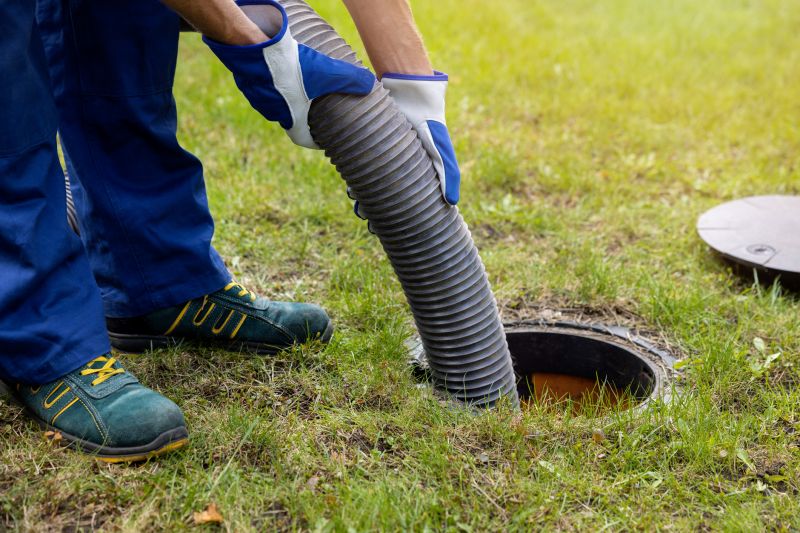
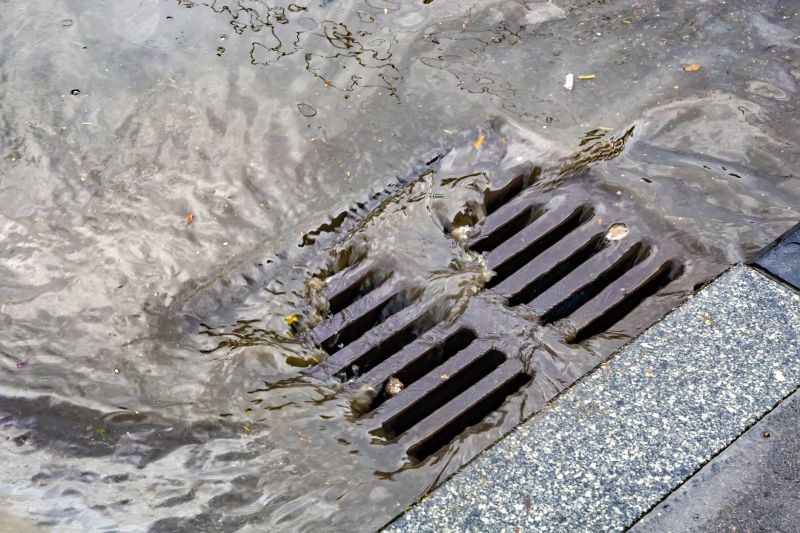
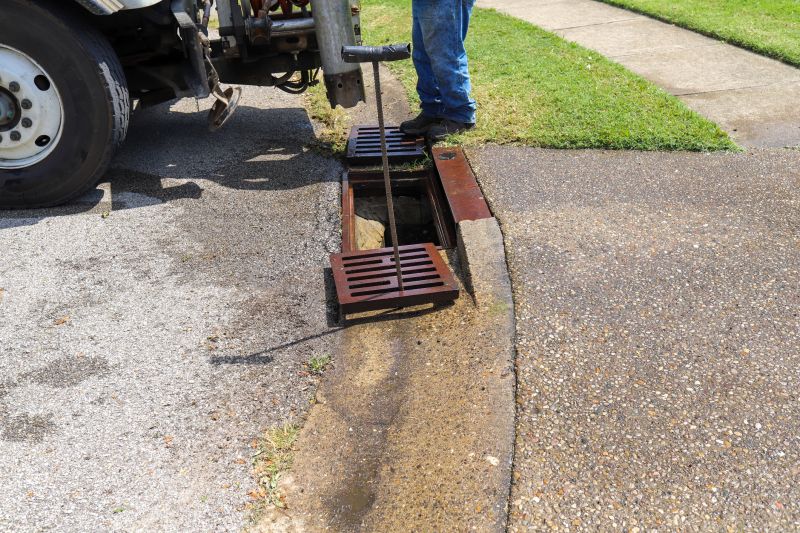
Surface Water Drainage Services Overview
Visitors will learn about local contractors who provide surface water drainage services and how to compare options for their property needs.
- - Residential property owners seeking effective surface water drainage solutions for driveways, yards, or gardens.
- - Commercial property managers needing reliable drainage systems to prevent flooding and water accumulation.
- - Contractors or property developers looking to connect with local drainage service providers for installation or maintenance projects.
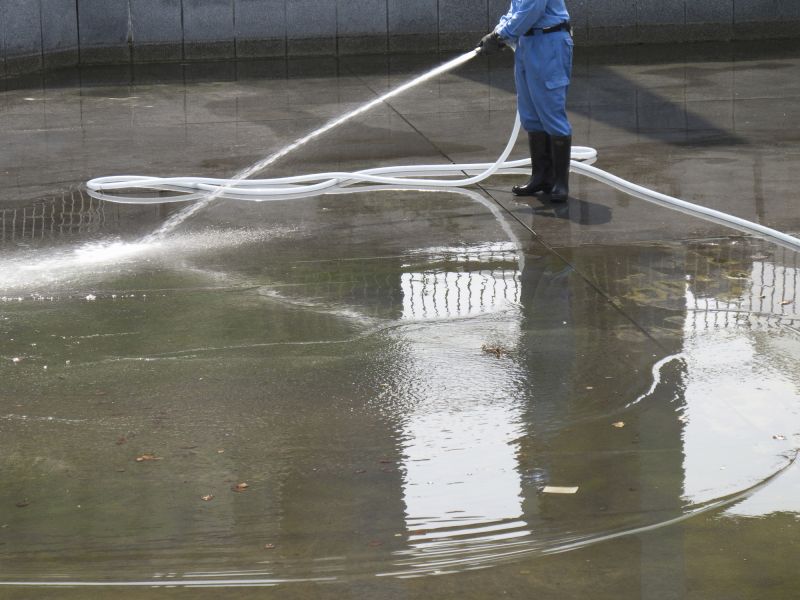
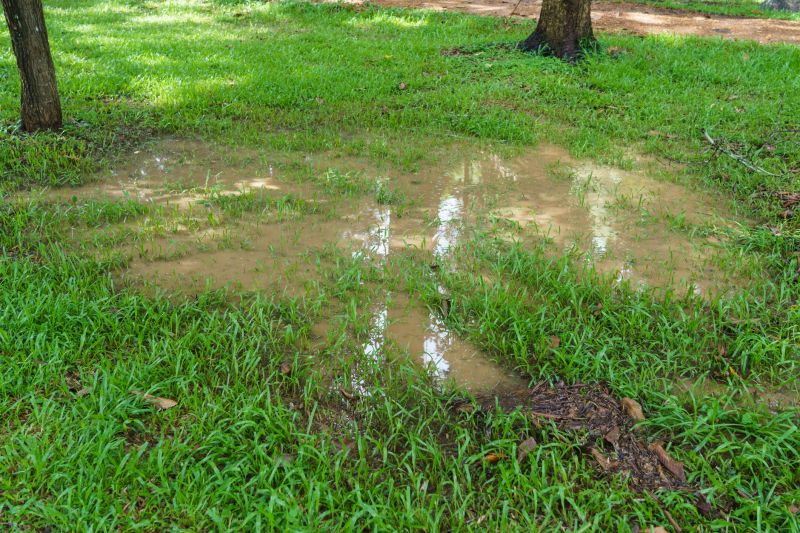
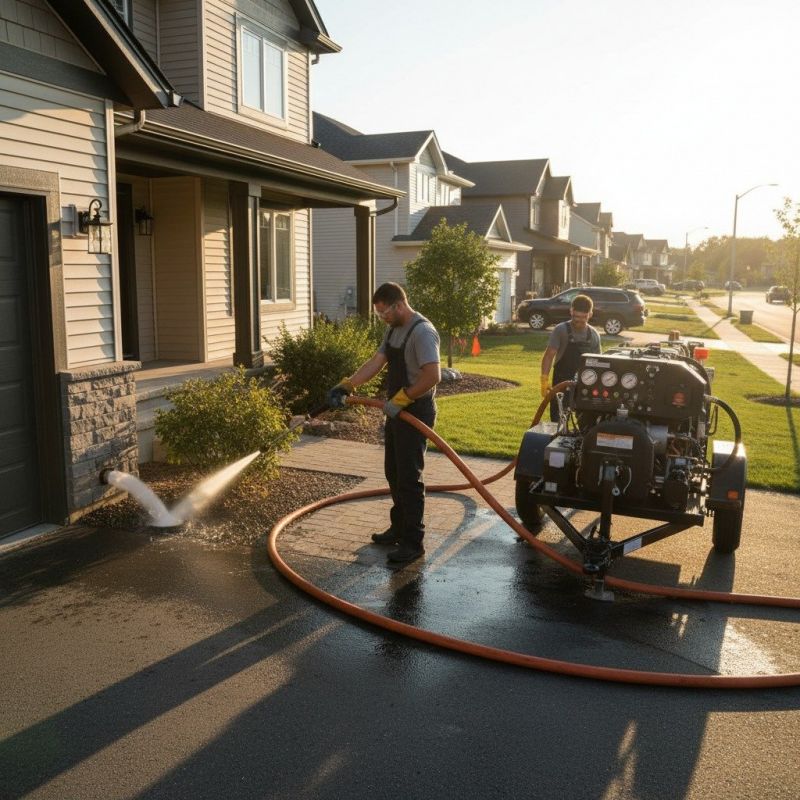
Surface water drainage services are essential for managing excess water that accumulates on properties due to heavy rainfall or poor site grading. Local contractors who specialize in this area can assess drainage issues, design effective solutions, and install systems such as drain channels, catch basins, or slope adjustments to redirect water away from structures and landscaping. Property owners often seek these services to prevent water pooling, erosion, or damage to foundations and gardens, ensuring their outdoor spaces remain functional and safe.
Connecting with experienced service providers in the area can help address a variety of drainage concerns. Many local pros offer tailored solutions based on the specific layout and needs of each property, providing professional installation and maintenance of drainage systems. Whether dealing with existing problems or planning preventative measures, property owners can find qualified contractors to handle the work efficiently and effectively.
This guide provides information to help compare and evaluate surface water drainage service providers in your area. It explains key factors to consider when planning a project and sharing the basics of what to expect from local contractors. The goal is to assist in making informed decisions when connecting with qualified service providers.